Streamlining Educational Routine with AI: Top 10 Methods
In the ever-evolving world of education, Artificial Intelligence (AI) is making significant strides in streamlining educators' daily lives, offering a plethora of practical applications that extend far beyond the classroom.
Megan Simonson, Recruitment and Admission Coordinator for the College of Education at Winona State University, is one such individual who has experienced the benefits of AI firsthand. With a bachelor's degree in psychology and a master's degree in School Counseling and Community Counseling, Megan also serves part-time as a mental health counselor at an outpatient treatment center in Rochester, MN.
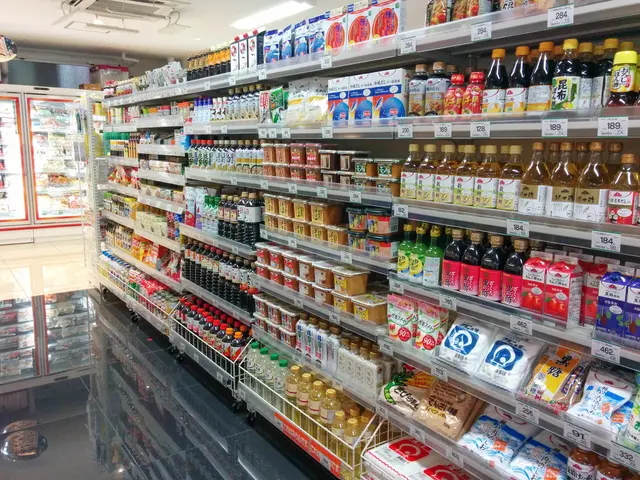
One of the most transformative ways AI is impacting educators' lives is by automating and simplifying personal and professional tasks. For instance, AI can create smart grocery lists and plan meals, generating customized grocery lists based on dietary preferences, upcoming meal plans, and budget constraints. This feature, while not specific to education tools, is offered by AI personal assistants and organizational apps, reducing mental load outside work hours.
In terms of communication management, AI-powered email assistants can quickly scan, prioritize, and summarize emails, enabling teachers to efficiently manage communication with parents, colleagues, and administrators. This feature helps reduce the time spent sifting through long email threads to get to key information.
When it comes to travel, AI can help educators coordinate their logistics, such as booking flights, hotels, and rental cars, by consolidating information, offering itinerary suggestions, and sending reminders. This eases stress and saves time when traveling for conferences or professional development.
AI-powered educational platforms are already assisting teachers with classroom tasks, such as content creation, personalized lesson plans, and student feedback. For example, Google's Gemini AI tools in Classroom enable teachers to create interactive study aids, quizzes, and brainstorming partners instantly from their materials, helping extend learning with less manual effort.
Similarly, Microsoft’s Education AI Toolkit provides customizable AI tools for educators to automate routine tasks and enhance productivity both inside and outside the classroom environment. Platforms like Teachy offer over 60 AI-driven tools for lesson generation, class management, and performance tracking, allowing teachers to refine materials quickly and gain insights with minimal input.
While most publicized AI tools focus on instructional support, the same underlying AI technology can be leveraged by educators personally to assist with daily life organization, meal and grocery planning, communication management, and travel coordination. This holistic assistance reduces cognitive load and administrative burden, allowing educators to focus more on student impact and personal well-being.
In addition, AI can draft thank you notes or messages, plan weekly meals based on time limits, dietary needs, and ingredient preferences, generate grocery lists based on meal plans, dietary preferences, and pantry items, provide lists of potential substitutes for forgotten ingredients, and even create study schedules based on coursework syllabi.
In summary, AI is revolutionizing the lives of educators by automating routine tasks, assisting with meal and grocery planning, organizing travel itineraries, and enhancing productivity with personalized content creation and class management tools. This holistic assistance reduces cognitive load and administrative burden, allowing educators to focus more on student impact and personal well-being.
- Megan Simonson, a teacher at Winona State University, has found AI's automation and simplification of tasks beneficial, as it helps her create smart grocery lists and plan meals outside work hours.
- In the school environment, AI-powered educational platforms like Google's Gemini AI tools and Microsoft’s Education AI Toolkit are assisting teachers, offering personalized lesson plans, student feedback, and content creation with less manual effort.
- Beyond classroom support, AI can draft thank you notes or messages for teachers, plan weekly meals based on time limits, dietary needs, and ingredient preferences, and create study schedules based on coursework syllabi, adopting a holistic approach to lessen cognitive load and administrative burden for educators.